Some dogs run into a kennel like they own it. Others shake in the car, refuse treats, and look at their owner like a contract has been breached. If your dog is in the second group, boarding is still possible; it just rewards preparation. Anxiety in dogs is mostly about unpredictability. A kennel stay becomes easier in direct proportion to how much of it the dog can predict: familiar smells, a known routine, and an owner who acts like this is an ordinary errand.
Staff at boarding kennels in Concord see anxious arrivals every week, and the dogs who settle fastest share the same preparation pattern. None of it requires special equipment. It requires starting a little earlier than the trip.
Before the stay: shrink the novelty
The single most effective step is a practice run. A short first stay, one night, or even a visit to the kennel to meet staff and smell the place, converts the big unknown trip into a place the dog has already survived and come home from. Dogs learn from endings: a short stay that ends with you returning teaches the lesson the long stay depends on. If a trial night is impossible, a daytime grooming appointment at the same facility gives a smaller dose of the same lesson.
- Book a one-night trial stay before a long trip if you can
- Keep feeding, walks, and sleep times normal in the days before
- Send a familiar item that smells like home, such as a worn shirt or favorite toy
- Write down your dog's calming signals and what helps, for the staff
- Update vaccinations early so vet visits do not stack stress into travel week
- Practice calm car arrivals: short drives that end in good places, not only the vet
The drop-off performance matters
Dogs take emotional cues from their owners with embarrassing accuracy. A long, tearful goodbye in the lobby tells an anxious dog that the situation warrants alarm. The kindest drop-off is boring: leash on, a cheerful, brief handover, records and instructions delivered, and out the door without ceremony. It feels cold to the human. To the dog it reads as: my person is calm, this is routine, nothing is wrong. Staff then take over with the kennel's own routine, which is the next calming force.
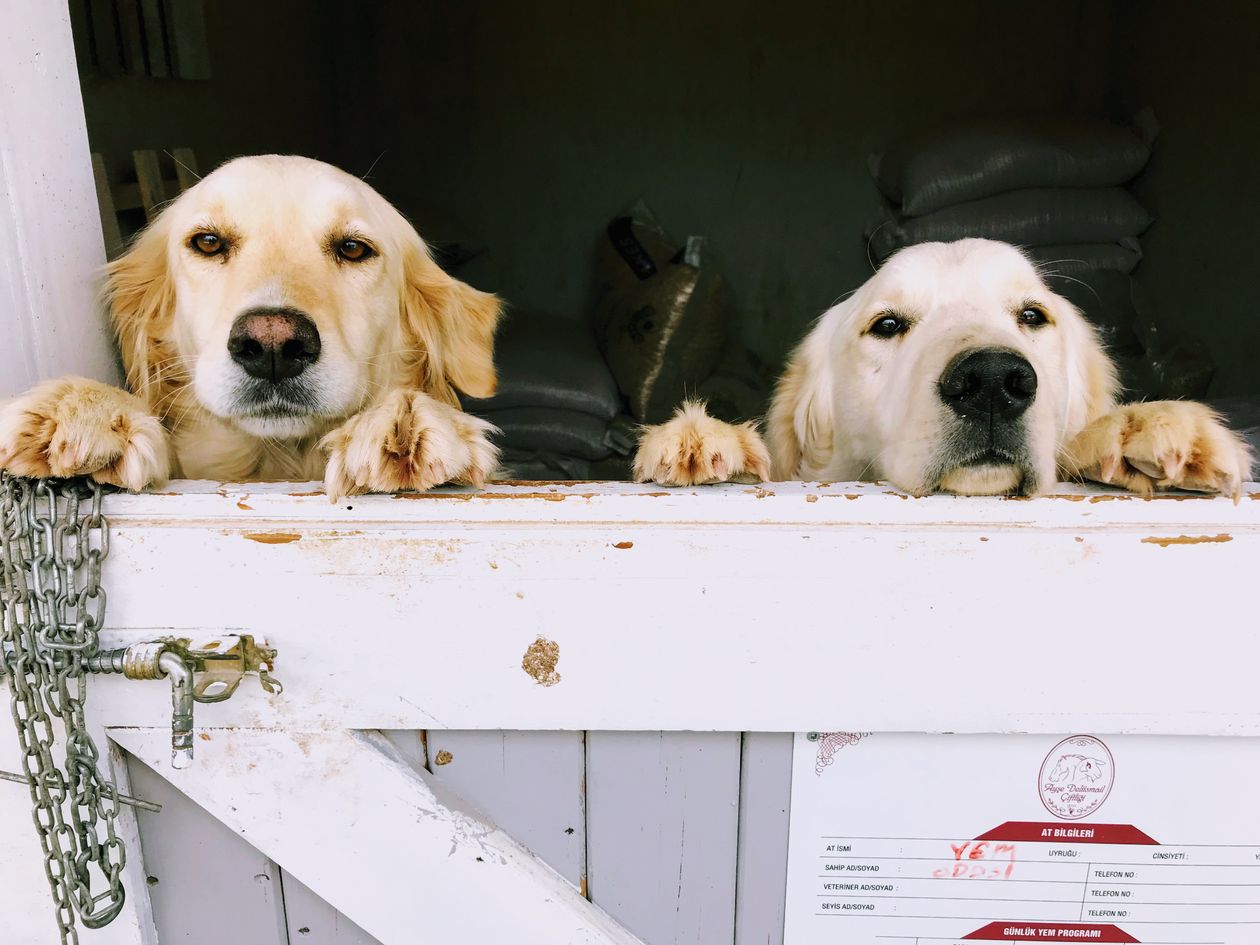
Tell the staff what your dog's anxiety looks like and what helps. Some dogs settle with activity and other dogs around; some do better with quiet and minimal handling at first. Some will not eat the first evening and then eat normally, which staff have seen a hundred times. Information you share at drop-off becomes part of your dog's care; information you assume is a guess the staff has to make.
During the stay: routine does the heavy lifting
Kennel days are structured: feeding at set times, yard time, rest in a climate controlled space, and the same staff moving through the same pattern. For an anxious dog, that structure is the therapy. Predictable days lower the background stress that novelty raises, and most anxious dogs are visibly more settled by the second day, eating on schedule and engaging with yard time. Familiar food helps, which is why bringing your dog's own food in an airtight container is a good call for anxious dogs even when the house food is perfectly good.
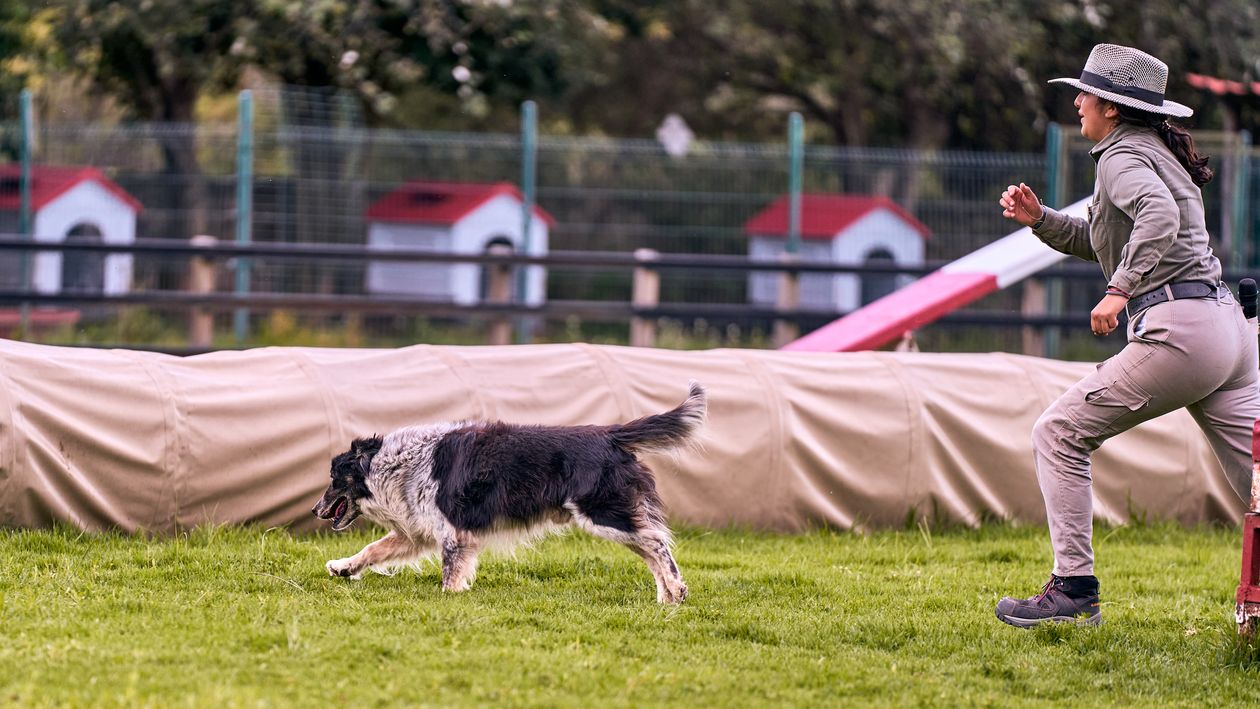
If your dog takes medication for anxiety, discuss the stay with your vet ahead of time rather than improvising. Any medication must arrive in its original packaging with the veterinary instructions, and a written schedule on your care sheet. Do not start a brand-new medication on boarding day; a first dose belongs at home, where you can watch the effect. And after pickup, expect a long sleep and a day of decompression at home. That is the normal signature of a dog who had a full, stimulating stay, anxious or not.
Common questions
Should I call the kennel every day to check on my anxious dog?
A check-in is understandable, especially the first time. Ask at drop-off how updates work, and keep in mind that a dog doing fine generates very little news.
My dog does not eat when stressed. Should I worry?
Missing the first meal or two is common for anxious boarders, and staff monitor it. Send familiar food and treats, and note your dog's habits on the care sheet so staff know their normal.
Is a trial night really worth it?
For an anxious dog, yes. One short stay that ends with you returning teaches the exact lesson a long stay depends on, and it surfaces any issues while the stakes are low.
Photos in this guide are representative stock images.
← All guides from Happy Tails Kennel← Back to Happy Tails Kennel